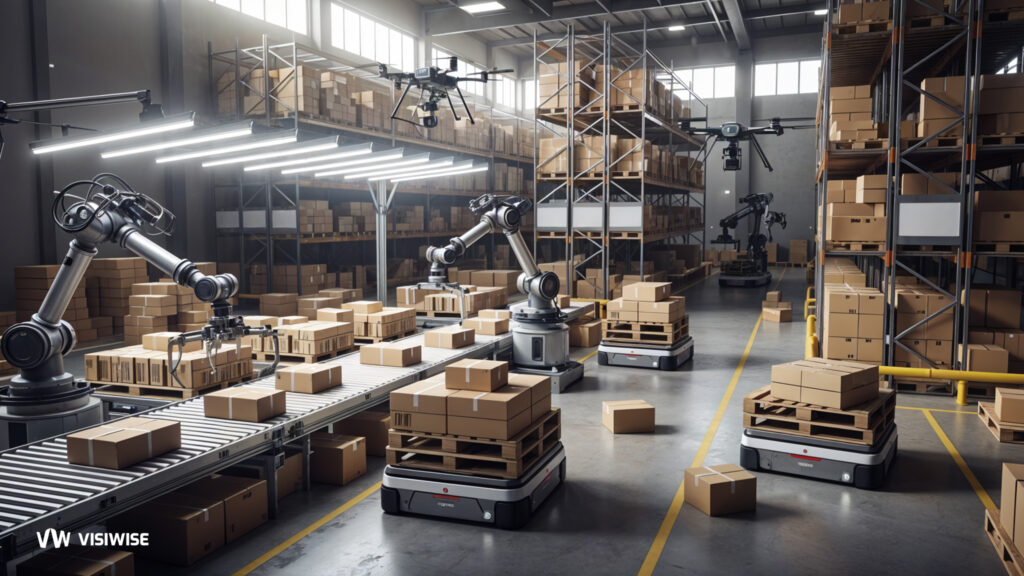
Artificial intelligence is reshaping logistics and shipping by replacing reactive processes with intelligent, data-driven systems. From warehouse automation and order fulfillment to container shipping and port operations, AI improves visibility, accelerates decision-making, and strengthens resilience across global supply chains. This article explores how AI is driving more predictive and efficient logistics management.
AI in Supply Chain Risk Management: Real-World Examples & Benefits
AI is redefining supply chain risk management by turning reactive processes into predictive, data-driven systems. From supplier risk scoring to real-time disruption alerts, artificial intelligence helps companies anticipate issues before they occur. This article explores real-world examples and key benefits of using AI to build smarter, more resilient supply chains.
The “Last Free Day” Trap: Why you are still paying Demurrage fees you didn’t owe.
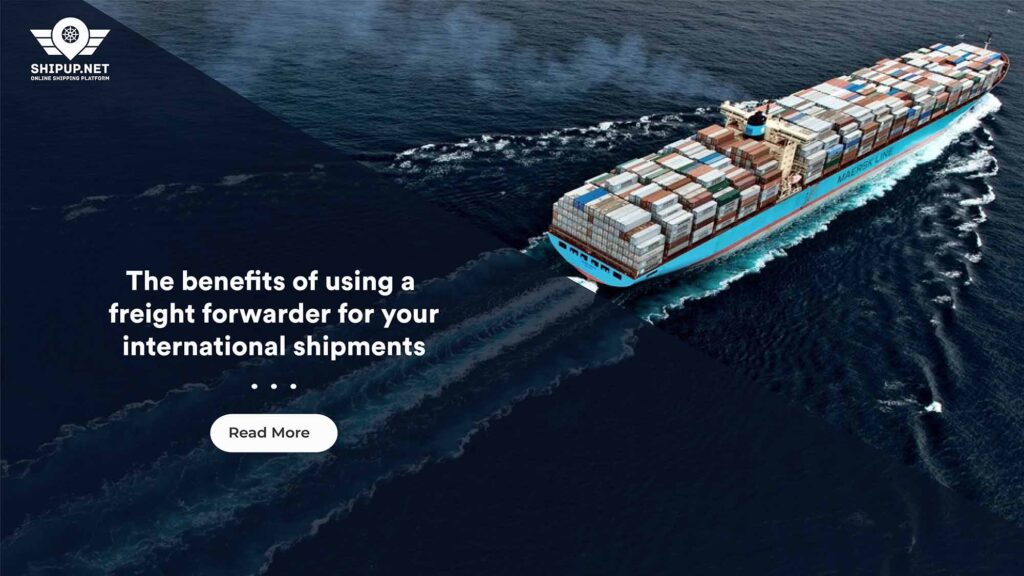
The Benefits of Using a Freight Forwarder for Your International Shipments
A freight forwarder is like a conductor of an orchestra, orchestrating the transportation of goods from point A to point B, and everything in between
Understanding the Incoterms used in international trade
In today’s global economy, international trade has become more prevalent than ever before. With the rise of cross-border commerce, it’s important to understand the various rules and guidelines that govern these transactions. That’s where Incoterms come in. Developed by the International Chamber of Commerce (ICC), Incoterms provide a universal set of rules and guidelines that help facilitate trade by providing a common language for buyers and sellers to set the terms of their trades.
The use of data analytics in optimizing ship operations and logistics
The shipping industry is a complex web of intricate supply chains, transporting goods and cargo across vast distances with ever-changing routes and schedules. At the heart of this industry lies a pressing need for companies to optimize their operations, improve customer service, and reduce costs.
Canadian Coast Guard Reports Oil Spill from Container Ship Europe
The Canadian Coast Guard has reported an oil spill from the container ship, Europe, owned by the Greek company, Danaos Corporation
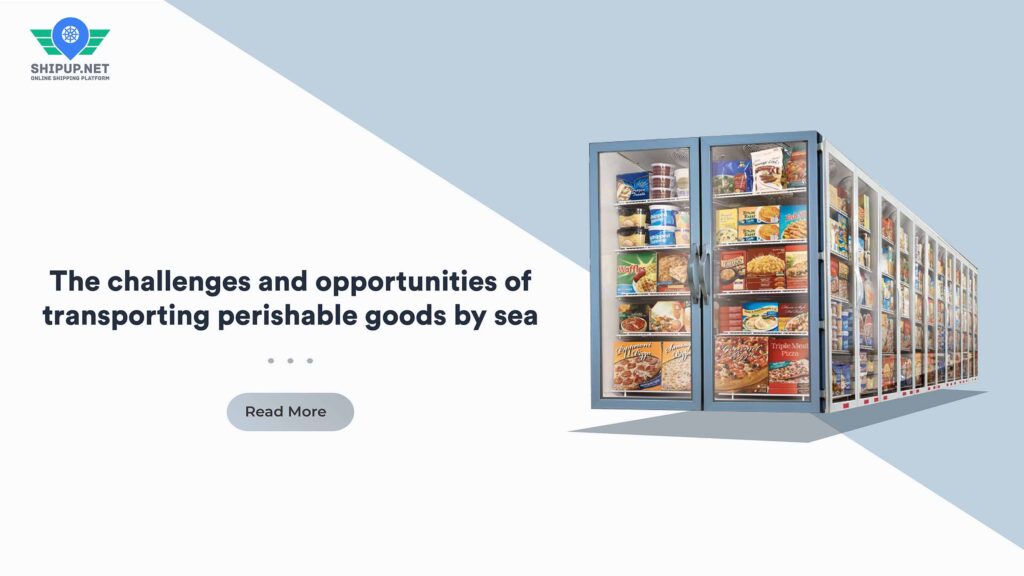
The Challenges and Opportunities of Transporting Perishable Goods by Sea
Transporting perishable goods is crucial for keeping the global food supply chain intact, ensuring that fresh produce, dairy, meat, and other perishables reach their destinations in a timely and safe manner. One of the most important modes of transportation for these goods is through sea transport.
The impact of environmental regulations on the shipping industry
The purpose of this article is to examine the impact of environmental regulations on the shipping industry and to provide insights for importers, exporters, and freight forwarders
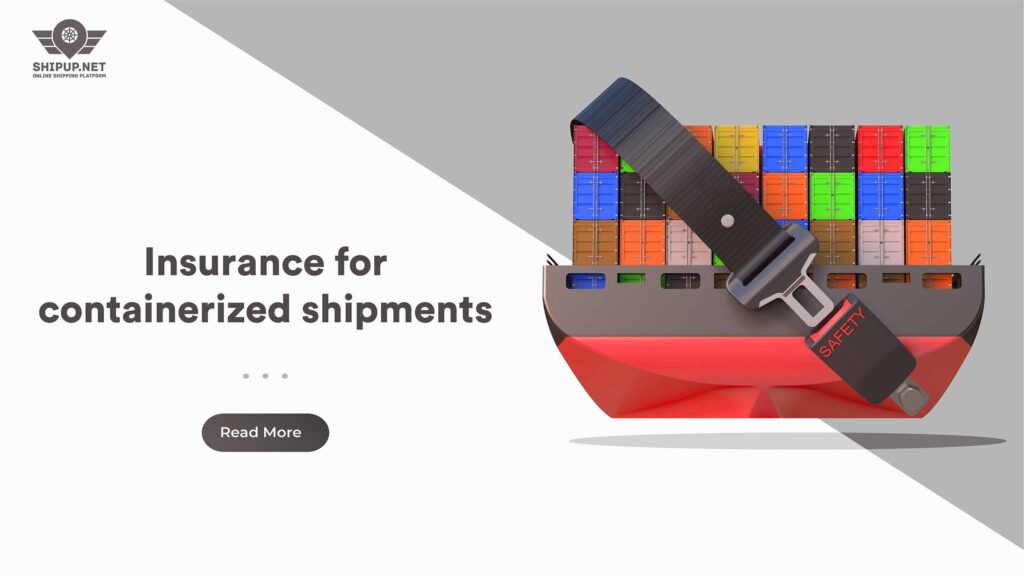
Insurance for Containerized Shipments
In this article, we’ll delve into the world of containerized shipments and explain why insurance is so important. We’ll also discuss the different types of insurance available, factors to consider when choosing insurance, and best practices for insuring your shipments
Chinese Export Container Rates Drop
Chinese export container rates have seen an unusual drop, according to Niels Rasmussen, chief shipping analyst at BIMCO
What You Need to Know About Handling Hazardous Materials
Dealing with dangerous goods can be a real headache for people who work in shipping industry. These dangerous goods and substances can be a threat to human health and the environment, so it’s important to consider the best practices to handle, store, and transport them